– How to establish a skincare brand for coloured women
Meet Ozohu Adoh, the founder of Epara, who creates skin-care products for women of colour.
In November, I was invited to attend Ozohu Adoh, founder of skin-care line Epara’s new product launch party in a members’ club in London. Here, the Nigerian-born entrepreneur tells her stories of establishing a brand designed for women of colour.
After leaving her full-time job in the oil and gas industry in the UK, the Oxford-graduate MBA founded her skin-care line in 2015. “I suffered from atopic eczema problems for my skin, I was struggling with finding a skin-care product which would be held on my skin and keep my skin moisturised for a long time. Looking at the African botanicals, many superior facial oils don’t absorb into the skin, because they didn’t do enough research before launching their products. Therefore I decided to come out and establish a skin-care product line which would enrich me and other women in the world.”
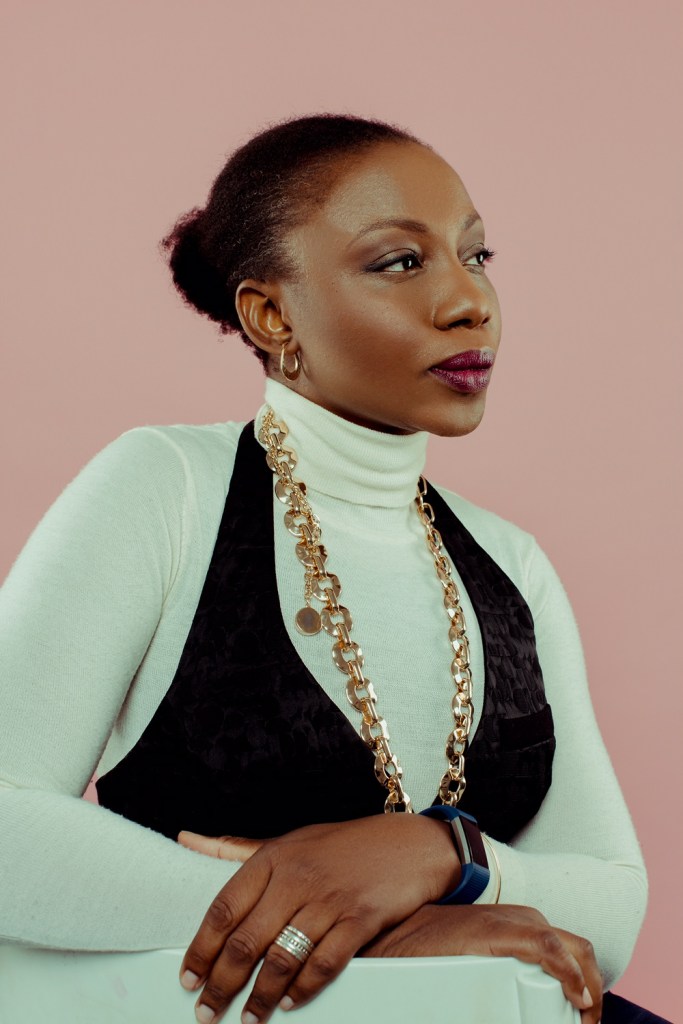
Ozohu Adoh, founder of Epara
“My clients are 60% black Americans, 15% of white women, around 15% Chinese, and the rest are Indian and mixed race. Women like to buy ‘affordable luxuries’, in their mid-30s and 40s are the main client-base for us. Most of them are based in the US, they purchase our products on Instagram and our website.”
“I can’t tell you how many customers we’ve got overall. I hope the fact that we have 11.7K Instagram followers, will give you the answer.”
The skin-care line appeals to not only African-American and Latino clients, but also attracts a large number of Chinese consumers from the Mainland and Hong Kong. “China is an interesting market for me. Our product suits Asian skin as well. The Chinese tourists were the biggest buying power in Harrods between 2014-2019, likewise in Barneys New York. They were very open to trying new things except for those mainstream skin-care products.” Says the beauty expert.
The lifting of Animal Test legal restriction in China in 2021, opened the door for the brand to enter physical stores in China. “We can only sell our product online in China before 2021. Now the Chinese Government no longer require Animal Test for products to be sold in shopping malls in China and Hong Kong. We overcame the stage of ‘passing animal tests’ in China, I anticipate in 2022 or 2023 China will become our biggest market.”
In terms of the brand’s revenue per year, Adoh states “We’ve been growing revenue 100% every year since 2018. Chinese contributed 30% of the revenue in 2019; The biggest revenue came from the US in 2020; Our UK market is still very slow which occupies around 15% of our sales figure in 2021, the rest are from the Chinese and the US.”
In 2020, the global pandemic and the enormous BLM event accelerated the brand’s revenue growth through online shopping sales. “In 2020 we did very well, the pandemic didn’t affect us at all. In addition, Black Lives Matter helped us a lot on a retail basis. Before the event, we had 5 retailers in total, after the event we have 27 retailers globally for online and physical stores in UK and America. They just found us on the internet.”
“In 2021, we have so far, maintained very good online engagement with our customers”, the skin-care expert outlines.
“We use a lot of digital marketing tools such as Instagram, Facebook and Google Ads. But I realise that if we only focus on the digital side we will eventually lose customers. Therefore we also promote our products in other ways such as meeting potential clients in Member’s Clubs, and publishing adverts on local newspapers and magazines in London.”
Entering the mainstream markets in the UK and USA was tough for Adoh, due to the lack of space for skin-care products designed for women of colour. “”We were launched in Harrods in 2017 and in Liberty in 2020. Department stores could only take a few black-owned brands, luckily the buyers in Harrods gave us the chance to sell our products in Harrods’ beauty department. All the hard work paid off in the end, other stores took our brand when they saw we are in Harrods and Barneys. Next year we will launch in the Farfech boutique store in France.”
“In the US, we are very well-known as our products are showcased at both online and physical stores such as Saks Fifth Avenue, Neiman Marcus, Nordstrom, and smaller shops such as the Arch Store.”
In relation to the debate of “Adverts promotes skin-whitening products for non-white women” within the beauty industry in recent years, the made-in-UK brand advocates “People need to be happy and comfortable with your skin. You should have some pride in your skin colour and bring the best version of who you really are. That’s the message I try to bring to the world.”
Epara, in Nigerian means “Cocoon yourself”. The made-in-UK brand is marketed as containing “natural ingredients from rich African soils”. At the end of this interview, the founder proudly demonstrates that “I want to bring out the richness of African botanical heritage to the world”.

 Journalism Stories